
DeFi Weekly October 2026 Week 4: Aero Launch Paid Members Public
The DeFi Weekly October 2026 Week 4 snapshot closes with TVL at $90.19B, down 0.63% over seven days. Bitcoin fell 0.16%, Ethereum fell 0.41%, and the Fear & Greed Index registered 50, or Neutral. This week’s lead DeFi story is the Aero launch following the
DeFi Weekly October 2026 Week 3: Interactive Brokers Staking Paid Members Public
The DeFi Weekly October 2026 week 3 snapshot closes with TVL at $89.38B, down 1.92% over seven days. Bitcoin fell 1.01%, Ethereum fell 2.68%, and the Fear & Greed Index registered 63, or Greed. This week’s lead DeFi story is Interactive Brokers Ethereum staking: the
DeFi Weekly October 2026 Week 2: Aave V4 Tokenized Stocks Paid Members Public
The DeFi Weekly October 2026 week 2 snapshot closes with TVL at $91.45B, down 3.90% over seven days. Bitcoin fell 2.2%, Ethereum fell 6.99%, and the Fear & Greed Index registered 59, or Greed. This week’s lead DeFi story is Aave V4 tokenized stocks: reported
DeFi TVL October 2026 Week 1: Balancer Wind-Down Paid Members Public
The DeFi TVL October 2026 week 1 snapshot closes with TVL at $97.09B, up 2.06% over seven days. Bitcoin gained 2.1%, Ethereum gained 0.5%, and the Fear & Greed Index registered 72, or Greed. The week’s most consequential governance decision came from Balancer. Holders approved
DeFi TVL September 2026 Week 4: Neutron Governance Attack Paid Members Public
The DeFi TVL September 2026 week 4 snapshot closes with TVL at $95.57B, up 8.24% over seven days. Bitcoin gained 3.8%, Ethereum gained 3.1%, and the Fear & Greed Index registered 71, or Greed. The week’s largest security event was the Neutron governance attack. A
DeFi TVL September 2026 Week 3: Nostra & CLARITY Act Paid Members Public
The DeFi TVL September 2026 week 3 snapshot closes with TVL at $92.22B, up 6.58% over seven days. Bitcoin gained 4.9%, Ethereum gained 3.6%, and the Fear & Greed Index held at 56 while remaining in Greed. The week’s largest security event was Nostra’s

DeFi TVL September 2026 Week 2: Liquid Network Exploit Paid Members Public
The DeFi TVL September 2026 week 2 snapshot closes with TVL at $88.5B, effectively unchanged over seven days. Bitcoin fell 2.8%, Ethereum gained 4.4%, and the Fear & Greed Index cooled to 56 while remaining in Greed. The week’s largest security event was the Liquid Network
sUSDS savings are live in Portals, powered by Osero Earn Paid Members Public
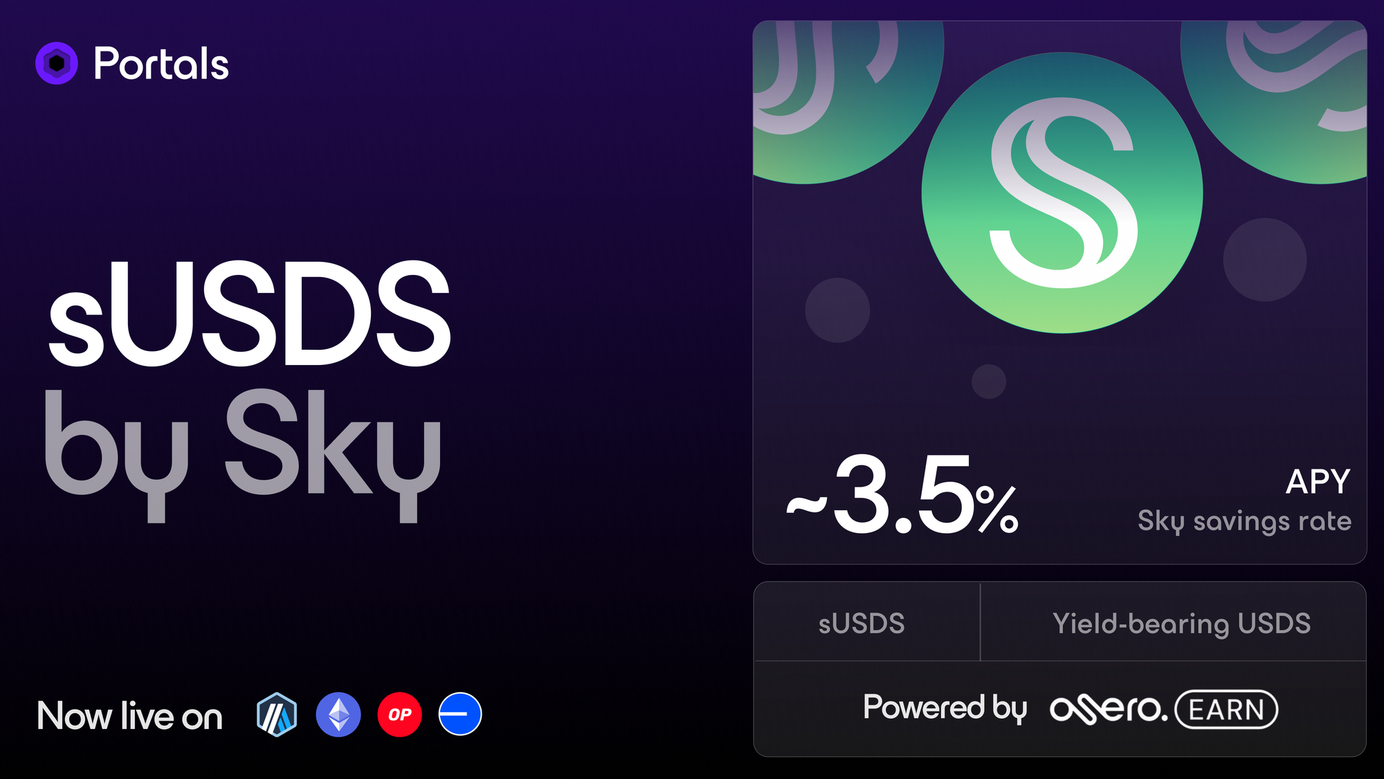
Portals users can access sUSDS, the savings token for Sky's USDS stablecoin, directly through the platform.